The Ultimate Guide to Pushchairs and Prams: Making the Right Choice for Your Family
With the arrival of a new baby, parents are frequently overwhelmed by the myriad of options they deal with, especially when it comes to choosing the right pushchair or pram. Understanding Baby Prams Pushchairs , features, and factors to consider can assist make this crucial decision much easier. This guide will explore the crucial differences in between pushchairs and prams, their different uses, and important features to look for. It will likewise respond to typical concerns parents may have, supported by tables for a clearer contrast.
Understanding Pushchairs and Prams
Before buying, it's vital to differentiate in between a pushchair and a pram:
Pushchair
A pushchair, likewise referred to as a stroller, is a versatile tool developed for older babies and young children. Pushchairs are generally light-weight, simpler to maneuver, and often come with functions such as adjustable deals with and reclining seats.
Pram
On the other hand, a pram is developed mostly for newborns and more youthful infants. It has a flat, lie-down position that supports a baby's spine and permits comfy naps. Prams usually have a more conventional style and are bulkier compared to pushchairs.
| Feature | Pushchair | Pram |
|---|---|---|
| Age Suitability | From about 6 months onwards | Newborn to around 6 months |
| Seat Position | Upright, reclining | Flat, lie-flat position |
| Weight | Normally lighter and more compact | Typically heavier and bulkier |
| Maneuverability | Simpler to browse | Generally more stable |
| Storage Space | Generally has additional storage | Might have restricted storage |
Kinds of Pushchairs and Prams
When it concerns alternatives, there are different designs of pushchairs and prams available for parents to select from:
1. Traditional Prams
- Ideal for newborns.
- Include a totally flat and spacious sleeping location.
- Typically included a classic design.
2. Travel Systems
- Mixes of automobile seat and pushchair.
- Permits simple transitioning from vehicle to pushchair.
- Flexible and practical for parents on the go.
3. Umbrella Strollers
- Lightweight and compact.
- Easy to fold and bring, making them ideal for travel.
- Frequently less strong, suitable for older babies who can sit upright.
4. All-Terrain Pushchairs
- Developed for diverse surfaces, such as parks or irregular pathways.
- Feature big wheels for better maneuverability.
- Normally bulkier however outstanding for daring families.
5. Double Strollers
- Appropriate for households with twins or two kids of different ages.
- Can be side-by-side or tandem.
- Deals various setups for convenience and convenience.
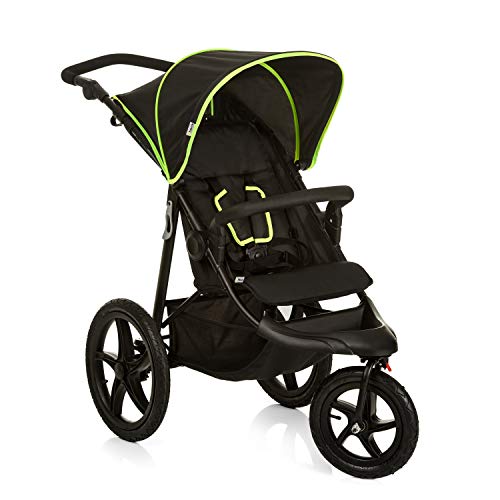
6. Jogging Strollers
- Developed for active parents who want to run or jog with their child.
- Features bigger wheels and a sturdy frame for stability during motion.
- Should be used with care for security.
Key Features to Consider
Choosing the right pushchair or pram includes understanding the important features that will boost the experience for both the moms and dad and the kid. Here are some vital aspects to think about:
1. Safety
- Harness System: Ensure that the pushchair or pram has a safe harness system-- preferably, a five-point harness for added security.
- Braking System: Look for a trusted braking system that can be quickly activated by the parent.
2. Comfort
- Cushioned Seat: A well-padded seat will ensure that the baby is comfortable throughout rides.
- Reclining Feature: The ability to recline is important for more youthful babies who might require to lie flat.
3. Maneuverability
- Swivel Wheels: Swiveling front wheels can make it easier to browse crowded spaces.
- Suspension: Good suspension help in keeping the trip smooth over various terrains.
4. Size and Weight
- Weight: A light-weight frame can make it much easier for parents to lift and carry.
- Foldability: Consider how easy it is to fold and store the pushchair or pram.
5. Storage
- Basket Space: Ample storage below the seat can accommodate diaper bags and shopping.
- Additional Pockets: Look for models with pockets for easy access to basics like keys and phone.
6. Durability
- Weight Limit: Check the producer's weight limitation to ensure that the pushchair or pram will last as your kid grows.
- Versatility: Some designs can adjust from a pram to a pushchair or accommodate a second seat for brother or sisters.
FAQ: Common Questions About Pushchairs and Prams
1. What is the difference in between a pushchair and a stroller?
A pushchair is generally a lightweight alternative for older infants and toddlers, while a stroller is a broader term that can include different styles, consisting of those for babies.
2. Can I utilize a pushchair for a newborn?
Usually, pushchairs appropriate for babies aged six months and older. However, some travel systems include infant safety seat that can be connected for newborns.
3. How do I clean my pushchair or pram?
Many pushchairs and prams featured detachable, machine-washable material covers. Routinely clean down the frame and wheels to keep it clean.
4. Exist any security guidelines I should look for?
Ensure that the pushchair or pram satisfies security standards set by your country. Search for accreditations or labels from regulatory bodies.
5. Just how much should I anticipate to invest in a quality pushchair or pram?
Prices can differ commonly-- basic designs may start around ₤ 100, while high-end designs can exceed ₤ 1,000. Consider your budget plan and wanted features.
Picking the best pushchair or pram is a vital job for new parents. While the options may appear overwhelming, understanding the distinctions and specific features will make it easier to choose the very best suitable for your household's way of life. Whether you focus on portability, convenience, or safety, taking the time to pick carefully can boost your parenting journey. Keep in mind, buying a quality pushchair or pram is investing in convenience and comfort for both you and your kid.